Lost in the Wild Heart of Tehran: Nature You Never Knew Existed
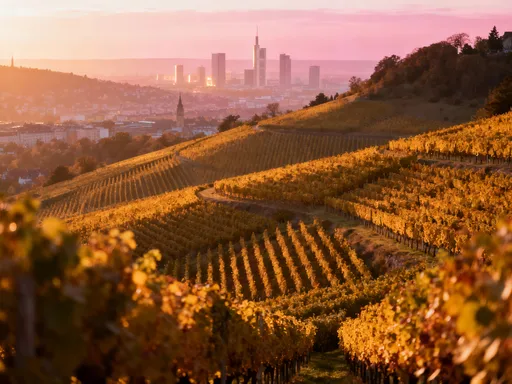
You know that image of Tehran as all concrete and chaos? Yeah, I thought that too—until I stumbled upon its wild side. Just beyond the city’s pulse, untouched valleys, alpine trails, and ancient forests wait in quiet beauty. This isn’t your typical postcard Iran. It’s raw, real, and refreshingly off-radar. If you’re craving nature that surprises at every turn, trust me, Tehran’s hidden green soul will blow your mind. Far from the stereotypes of urban sprawl and noise, a different Tehran unfolds—one where mountain air clears the lungs and wildflowers bloom in silence. This is a city cradled by nature, not consumed by it.
Rewriting the Tehran Story: Beyond the Urban Hustle
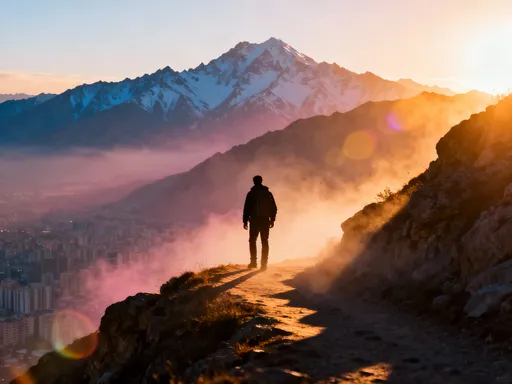
Tehran is often portrayed as a relentless city of honking cars, towering apartment blocks, and ceaseless movement. It’s easy to assume that nature has been paved over, lost beneath layers of concrete and modern life. But this view misses a vital truth: Tehran is not separate from nature—it is framed by it. To the north, the Alborz mountain range rises like a protective wall, its snow-dusted peaks visible from many city streets. These mountains are not just scenic backdrops; they are living, breathing ecosystems that extend right into the city’s edge. In spring, wild tulips bloom along rocky slopes. In summer, cool breezes roll down from high meadows. In autumn, the forests turn gold and crimson. And in winter, the same trails dusted with snow become silent, pristine paths through a hushed world.
The Alborz range stretches across northern Iran, formed by tectonic forces millions of years ago, and it plays a crucial role in shaping Tehran’s climate and geography. It blocks humid air from the Caspian Sea, creating a rain shadow that makes the southern side of the mountains drier—ideal for the city’s expansion—while preserving moisture-rich forests and alpine zones to the north. This natural divide means that within a 30-minute drive from central Tehran, one can move from urban heat to alpine coolness. The shift is not just physical but emotional. The noise fades. The air changes. The pace slows. For residents and visitors alike, this proximity to wilderness offers a rare gift: immediate access to nature without needing to travel hundreds of miles.
What makes Tehran’s natural side even more remarkable is how integrated it is into daily life. Unlike distant national parks that require planning and time off work, these mountain escapes are woven into the rhythm of the city. Families head to the hills on weekends. Office workers take short hikes after work. Retirees stroll forest paths in the morning light. This deep connection to the land reflects a cultural value—nature as essential, not optional. And for the traveler seeking authenticity, it reveals a side of Iran that is often overlooked: a society that cherishes quiet moments in the wild, that respects the seasons, and that finds renewal in the simplicity of a mountain trail.
Darabad Valley: Where the City Fades Away
One of the most accessible gateways to Tehran’s natural world is Darabad Valley, nestled at the base of Mount Damavand, Iran’s highest peak. Just a short drive from the city center, Darabad marks the point where urban life begins to recede. As cars give way to walking paths, the sounds of traffic are replaced by birdsong, rustling leaves, and the occasional call of a distant shepherd. The valley serves as both a recreational space and a conservation zone, managed to balance public access with environmental protection. Here, Tehranis come to breathe deeply, stretch their legs, and reconnect with the earth.
The trailhead at Darabad is well marked, with stone steps leading upward through a mix of oak, maple, and wild almond trees. In early spring, the valley floor bursts with color—yellow daffodils, purple crocuses, and pink rock roses. By midsummer, the underbrush dries to gold, but the higher trails remain cool under the tree canopy. The path splits into several routes: one leads toward the Darabad Waterfall, a modest but refreshing cascade that draws picnickers on hot days; another climbs steadily toward the historic Darabad Caravanserai, a centuries-old rest stop for travelers crossing the mountains. Though only ruins remain, the site offers panoramic views and a sense of stepping back in time.
What makes Darabad special is not just its beauty but its accessibility. Families with young children, elderly couples, and solo hikers all share the trail. It’s common to see groups spreading out carpets for tea and snacks, laughing as they pass around fruit and nuts. This culture of shared outdoor enjoyment is deeply rooted in Iranian tradition, where nature is not just a destination but a place for gathering and reflection. Local conservation groups regularly organize clean-up days, removing litter and educating visitors about protecting native plants. Their efforts reflect a growing awareness: preserving these spaces ensures that future generations can also find peace in the mountains.
The Secret of Lar Valley and Its Alpine Lakes
Few places in northern Iran capture the spirit of untouched wilderness like Lar Valley. Located about two hours northeast of Tehran, this high-altitude region lies within the Lar National Park, a protected area known for its glaciers, alpine meadows, and crystal-clear lakes. Unlike more commercialized mountain destinations, Lar Valley remains relatively unknown to international tourists, making it a true hidden gem. The journey there follows winding mountain roads that climb steadily, revealing ever-wider views of jagged peaks and deep ravines. As the elevation increases, the air grows thinner and cooler, and the landscape transforms into a world of rock, ice, and resilient mountain grasses.
The heart of the valley is the chain of glacial lakes—Lar, Larijan, and the smaller Tashkabud—that shimmer under the sun like scattered pieces of sky. These lakes are fed by melting snow and underground springs, their waters so pure they can be filtered and safely consumed. In summer, the meadows around the lakes burst with wildflowers: red poppies, blue gentians, and white edelweiss dot the green slopes. Birdwatchers may spot golden eagles circling overhead or see flocks of alpine accentors flitting between boulders. The area is also home to ibex and wild sheep, though they are rarely seen by casual visitors.
For those seeking adventure, Lar Valley offers excellent opportunities for day hikes or overnight camping. The trail to the upper lakes is moderate in difficulty, suitable for hikers with some experience. A basic shelter and campsite are maintained by the Department of Environment, providing minimal facilities for overnight stays. Visitors are encouraged to follow Leave No Trace principles—packing out all waste, avoiding open fires, and respecting wildlife. The sense of solitude here is profound. At night, the sky fills with stars, unobscured by city lights. The silence is so complete it becomes a presence in itself. For many, this is the essence of true escape: not just physical distance from the city, but emotional and mental renewal.
Tochal: More Than Just a Ski Resort
Tochal Mountain, rising to over 3,900 meters, is one of Tehran’s most iconic natural landmarks. Known internationally for its long cable car and winter skiing, Tochal is equally impressive in summer, when its slopes become a network of hiking trails winding through alpine terrain. The cable car, one of the longest in the world, carries visitors from the northern edge of the city up to an elevation of nearly 3,600 meters in minutes. From the top station, a series of marked trails fan out across the ridge, offering panoramic views of the entire Tehran plain stretching southward. On clear days, the city looks like a distant mirage, softened by haze and scale.
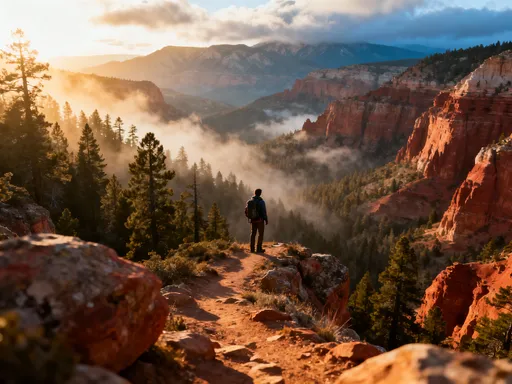
The summer trails vary in difficulty, making Tochal accessible to a wide range of hikers. The easiest route, a gentle path along the ridge, is popular with families and older visitors. More challenging trails lead toward the summit of Tochal Peak or connect to other high-altitude passes like Panj Tan. These routes require proper footwear, layered clothing, and awareness of altitude effects, but they reward with breathtaking scenery. At this elevation, the flora is sparse but unique: cushion plants, saxifrages, and hardy mosses cling to rocky crevices. Marmots sun themselves on boulders, whistling warnings to their kin. The air is crisp, and the sun intense—sunscreen and hydration are essential.
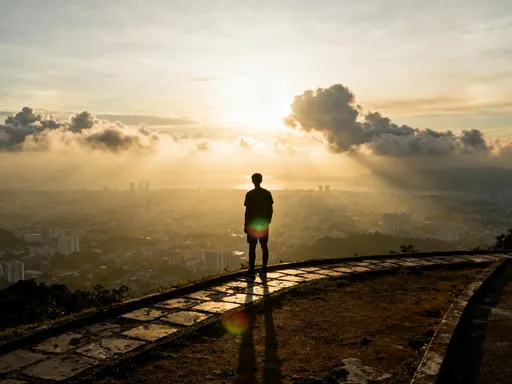
What sets Tochal apart is its dual identity. In winter, it’s a hub of activity, with skiers and snowboarders filling the slopes. In summer, it transforms into a quiet sanctuary for trekkers and nature lovers. This seasonal rhythm reflects a deeper truth about mountain life in Iran: the land is not static, but ever-changing, demanding respect and adaptability. Local hiking clubs organize regular weekend trips, often combining exercise with environmental education. Their presence underscores a growing movement toward sustainable outdoor recreation—one that values preservation as much as adventure. For visitors, Tochal offers a rare opportunity: to stand above the clouds, look down on a vast city, and feel both small and connected at the same time.
Velenjak and the Northern Forests: Green Lungs of the City
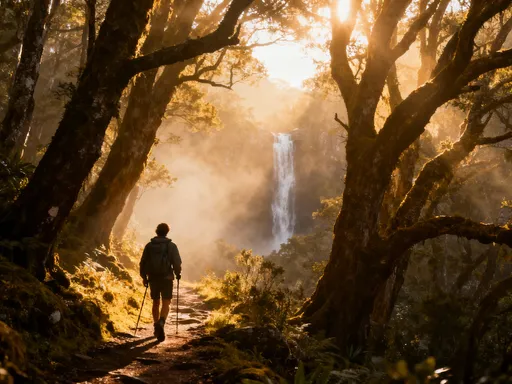
While remote valleys and high peaks draw weekend adventurers, the northern neighborhoods of Tehran—like Velenjak, Elahieh, and Niavaran—offer daily access to nature for city residents. These areas are built into the lower slopes of the Alborz, where patches of protected forest remain amid residential zones. The Velenjak walking trail, a favorite among locals, winds through a mix of pine, maple, and hornbeam trees, following a dry riverbed that comes to life after spring rains. Stone steps and wooden railings make the path safe and accessible, while benches at intervals invite rest and reflection.
These forests are remnants of the ancient Hyrcanian forests, a temperate rainforest ecosystem that dates back 25 to 50 million years and is recognized by UNESCO as a World Heritage Site. The Hyrcanian forests once covered much of northern Iran and the southern coast of the Caspian Sea. Today, the fragments preserved in northern Tehran serve as vital green lungs, filtering air, regulating temperature, and supporting biodiversity. Bird species like the Eurasian nuthatch, blackcap warbler, and Syrian woodpecker thrive here. In spring, the forest floor is carpeted with wild garlic and wood anemones, their delicate white blooms a sign of renewal.
For Tehranis, these urban forests are more than scenic—they are part of daily life. Morning walkers, dog owners, and elderly couples stroll the paths, greeting each other with quiet nods. Children chase butterflies in open clearings. Some visitors practice tai chi or yoga on flat stones. Others forage for wild herbs like mint, thyme, and pennyroyal, a tradition passed down through generations. This deep, everyday connection to nature fosters a sense of stewardship. Residents often report littering as unacceptable and support local efforts to protect these spaces. In a world where urbanization often means losing green spaces, Tehran’s northern forests stand as a model of coexistence—where city and nature exist not in conflict, but in balance.
Practical Tips for Exploring Tehran’s Natural Side
Exploring Tehran’s natural offerings is easier than many expect, but a few practical considerations ensure a safe and respectful experience. The best time to visit is from late spring to early autumn—May through October—when trails are clear of snow and temperatures are mild. Early mornings are ideal, especially in summer, when afternoons can become hot at lower elevations. Dressing in layers is essential, as mountain weather can change quickly. Even in summer, temperatures at higher altitudes can drop sharply, especially in the evening.
For transportation, ride-sharing apps like Snapp and Tap30 are widely used and reliable for reaching trailheads. Public buses also serve many northern neighborhoods, though schedules may be less frequent on weekends. If driving, be aware that parking can be limited, especially on holidays and weekends. It’s wise to arrive early. When hiking, always carry water, snacks, sunscreen, and a basic first-aid kit. While most trails are well marked, carrying a simple map or using an offline GPS app can prevent getting lost.
Respect for local customs is important. While outdoor attire is generally relaxed, modest clothing—such as long pants and shirts that cover the shoulders—is appreciated, especially in more conservative areas. Women are not required to wear headscarves on mountain trails, but many choose to do so out of respect. Learning a few basic Persian phrases—like “salam” (hello), “mamnoon” (thank you), and “rah-nameh?” (where is the trail?)—can go a long way in building friendly interactions. Most importantly, visitors should practice environmental responsibility: pack out all trash, avoid picking plants, and refrain from lighting fires. Supporting local eco-initiatives, such as trail clean-up groups or conservation NGOs, helps ensure these spaces remain beautiful for years to come.
Why Hidden Nature Matters: A Call to Slow Travel
The true value of Tehran’s wild heart lies not just in its beauty, but in what it teaches us about travel and connection. In an age of fast tourism—where destinations are checked off lists and photos are taken for likes—these quiet valleys and forest paths invite a different pace. They ask us to slow down, to listen, to notice the small things: the way light filters through leaves, the sound of a distant stream, the feel of cool stone underfoot. This is slow travel at its most authentic: not about seeing everything, but about experiencing deeply.
By choosing lesser-known trails over crowded attractions, travelers support sustainable tourism. They reduce pressure on fragile ecosystems and contribute to local economies in meaningful ways. More than that, they gain a more truthful understanding of a place. Tehran, often misunderstood in the global imagination, reveals itself not as a city of noise and tension, but as a community living in harmony with its natural surroundings. Its mountains are not just scenery—they are part of daily life, a source of health, joy, and identity.
For the women who walk these trails—mothers, daughters, sisters, friends—nature offers a space of freedom and renewal. It is where stories are shared, where worries are left behind, where strength is quietly rebuilt. In the stillness of a forest, or the vastness of a mountain view, one finds not escape, but clarity. And in that clarity, a deeper connection—to the earth, to others, and to oneself. So the next time you think of Tehran, don’t just picture the city. Picture the wild heart that beats beside it. And when you visit, let yourself get lost there. You might just find what you didn’t know you were missing.