You Won’t Believe These Hidden Public Spaces in Samui
Think you know Samui? Think again. Beyond the beaches and resorts, this island hides vibrant public spaces—markets, parks, temple grounds—where locals live, connect, and thrive. I wandered off the tourist trail and discovered how these shared spots reveal the island’s true rhythm. From buzzing morning markets to serene seaside promenades, public spaces here aren’t just places—they’re experiences. Let me show you the Samui few travelers ever see.
The Heartbeat of Samui: What Are Public Spaces Here?
In the rhythm of daily life on Koh Samui, public spaces serve as the island’s quiet pulse—places where culture breathes, relationships grow, and community is nurtured. Unlike the polished storefronts and private villas often seen by visitors, these shared environments reflect the authentic fabric of Thai island living. Public spaces in Samui include open-air markets, shaded temple courtyards, seaside walkways, and neighborhood parks. They are not designed for spectacle, but for function and connection. For locals, these areas are essential: a place to buy fresh produce, meet neighbors, practice morning meditation, or let children play after school.
What makes these spaces uniquely valuable is their role in sustaining social cohesion. In a destination where tourism dominates the economy, such areas remain largely untouched by commercialization, preserving a sense of local identity. While beachfront zones cater to international tastes, the inland markets and village squares remain deeply Thai in character. The contrast is striking: one world revolves around sun loungers and cocktail menus, while another centers on woven bamboo baskets, morning prayers, and the aroma of simmering coconut curries. These public areas are not merely physical locations; they are cultural anchors that help residents maintain continuity in the face of rapid development.
Moreover, public spaces in Samui often blend religious, recreational, and economic functions. A temple compound might host a weekend market, while a riverside park doubles as a venue for evening exercise groups. This multi-use nature reflects a practical and communal approach to urban design, where efficiency and inclusivity go hand in hand. These spaces are rarely gated or restricted; instead, they welcome spontaneous interaction, reinforcing a sense of shared ownership. For the thoughtful traveler, stepping into these environments offers a rare opportunity to witness life as it unfolds naturally, without performance or pretense.
Why Public Spaces Matter on a Tropical Island
On an island like Samui, where land is limited and tourism exerts constant pressure on infrastructure, well-maintained public spaces are more than conveniences—they are necessities. These areas support daily life in tangible ways, from providing access to fresh food to offering safe, shaded environments for physical activity. In tropical climates, outdoor spaces must be thoughtfully designed to manage heat, humidity, and seasonal rains. The most successful public areas in Samui incorporate natural ventilation, tree canopy cover, and proximity to water, making them comfortable and inviting throughout the year. When designed with care, they become essential parts of the island’s social and environmental resilience.
From an urban planning perspective, public spaces help balance the island’s heavy reliance on resort tourism. Without them, communities would be fragmented, with residents confined to private homes and workers isolated within hotel compounds. Shared spaces create neutral ground where people from different backgrounds can interact, whether it’s a vendor selling fruit to a passerby or a group of retirees practicing tai chi alongside local schoolteachers. These interactions, though brief, contribute to a stronger, more connected society. Additionally, accessible parks and walkways encourage healthier lifestyles, offering alternatives to car-dependent travel and sedentary routines.
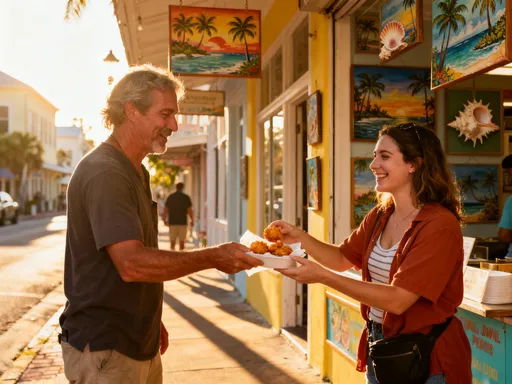
For visitors, these spaces offer a more meaningful form of tourism. Rather than observing culture from a distance, travelers can participate in it—buying snacks from a street cart, joining a quiet walk along a seaside path, or observing a morning ritual at a temple. Such experiences foster deeper understanding and respect. They also support sustainable tourism by directing economic activity toward local vendors and community-run initiatives. When tourists engage with public spaces in respectful ways, they contribute to a model of travel that benefits both host and guest. In this way, the value of these areas extends far beyond their physical boundaries.
Chaweng: More Than Just a Beach Strip
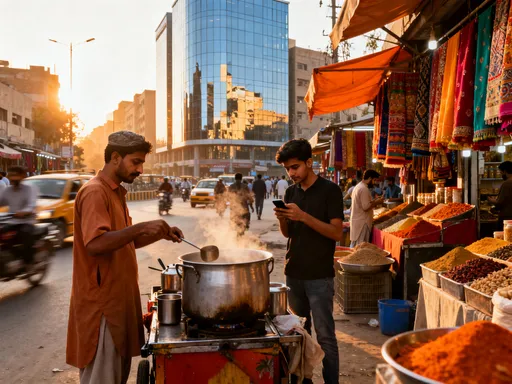
Chaweng, Samui’s most famous beach area, is often associated with nightlife, shopping malls, and crowded sunbathing zones. Yet beneath its tourist-heavy surface lies a network of public spaces that remain vital to local life. At the heart of this is the Chaweng Market, a bustling daytime hub where residents shop for fresh vegetables, tropical fruits, grilled fish, and homemade sweets. Unlike the souvenir stalls near the beach, this market caters primarily to Thais, offering an unfiltered glimpse into everyday island living. The air hums with chatter, the scent of lemongrass and chili, and the rhythmic chopping of knives on wooden boards.
What many visitors don’t realize is how this area transforms throughout the day. By night, parts of Chaweng become a neon-lit entertainment district, but in the early morning, it reverts to a community space. Elderly residents gather in the park near the market to practice qigong and dance to soft Thai music. Parents walk toddlers along the pavement, stopping at small stalls for sticky rice and mango. Even the sidewalks serve a purpose—vendors set up folding tables to sell herbal drinks, secondhand clothes, and handmade crafts. This fluid use of space demonstrates how urban areas in Samui adapt to different needs without rigid zoning.
For travelers interested in exploring Chaweng’s public life, timing is key. Visiting between 7:00 and 9:00 a.m. offers the best chance to witness authentic activity without the midday heat or evening crowds. Wearing modest clothing and moving at a respectful pace allows for smoother integration into the environment. It’s also wise to carry small bills for purchases, as many vendors do not accept digital payments. By approaching the area not as a destination for consumption but as a living community, visitors gain access to a richer, more grounded experience of the island.
Lamai’s Hidden Corners: Local Life in Plain Sight
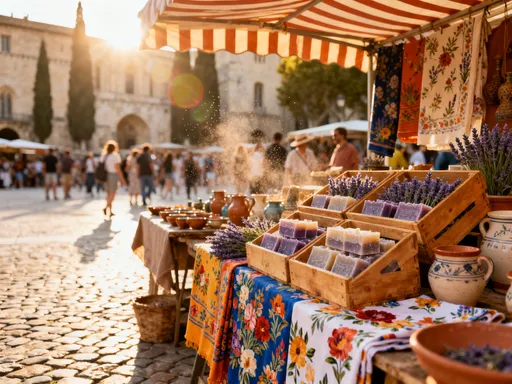
If Chaweng represents Samui’s energetic side, Lamai offers a more balanced blend of tourism and tradition. Nestled between hills and coastline, this area hosts one of the island’s most underrated public spaces: the Lamai Weekend Market. Open Friday through Sunday, it attracts both residents and inquisitive travelers seeking authentic flavors and handmade goods. Unlike the polished night markets designed for tourists, this one unfolds in a simple open lot, shaded by tarps and lit by string lights. Stalls overflow with grilled pork skewers, fermented papaya salad, fresh coconut juice, and golden banana fritters.
What sets this market apart is its integration into daily life. Families arrive together, children chasing each other between tables while elders sip iced tea and exchange news. Exercise groups gather at one end of the parking area, moving in unison through choreographed routines accompanied by upbeat Thai pop. Local artists sell painted fans, woven bags, and coconut-shell carvings, often chatting with customers in a mix of Thai and broken English. The atmosphere is relaxed, unhurried, and deeply communal. There’s no pressure to buy; browsing is welcomed, and smiles are freely exchanged.
Adjacent to the market, the Lamai Riverside Park provides a green oasis for quiet reflection or gentle activity. Tree-lined paths follow the gentle flow of the stream, leading to wooden benches and small shrines. On weekday evenings, residents walk, stretch, or sit together under the fading light. The park’s simplicity is its strength—there are no elaborate fountains or playgrounds, just space to breathe and connect. For visitors, the best times to experience this area are Friday evening and Saturday morning, when the market is active but not overwhelming. Arriving by foot or scooter from nearby accommodations allows for a more immersive journey, passing small homes, family-run shops, and roadside altars along the way.
North Coast Gems: Quiet Parks and Seaside Pathways
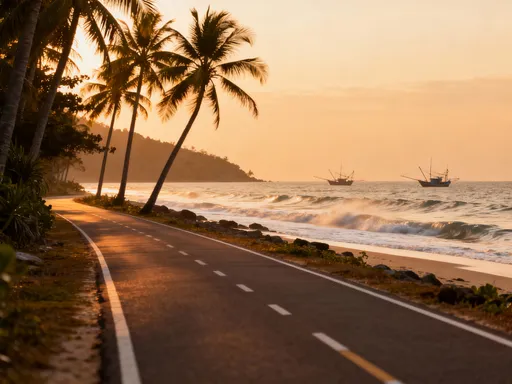
Traveling north from the island’s central hubs, the pace slows and the landscape opens. Areas like Maenam and Bophut are known for their quieter beaches, but they also boast some of Samui’s most thoughtfully designed public spaces. The seaside promenade in Maenam, stretching along the eastern shore, is a prime example of functional, scenic urban design. Paved and well-lit, it invites walking, jogging, and cycling at any time of day. Shaded rest areas, public restrooms, and small kiosks selling drinks and snacks make it accessible and comfortable for all ages.
What makes this pathway special is its dual role as both recreational space and community connector. Locals use it for morning exercise, evening strolls, and weekend family outings. Fishermen walk along it to reach their boats, while vendors set up folding chairs to sell grilled squid and cold coconuts. The promenade links several neighborhoods, reducing reliance on motor vehicles and promoting healthier modes of transport. In Bophut, the Fisherman’s Village area includes a parallel walkway that blends history with modern use. Traditional wooden shophouses line one side, housing cafes and boutiques, while the other opens to the sea, offering unobstructed views and cooling breezes.
Despite their appeal, these areas face challenges. Maintenance can be inconsistent, and during the rainy season, sections of the path may flood or develop cracks. Cycling infrastructure remains limited—while the roads are generally calm, dedicated bike lanes are rare, making some stretches less safe for children or inexperienced riders. Still, the overall design reflects a growing awareness of the need for sustainable urban planning. For visitors, these northern pathways offer a peaceful alternative to busier zones, ideal for sunrise walks or sunset photography. Bringing water, wearing light clothing, and respecting local customs (such as removing shoes before stepping onto private property nearby) ensures a smooth and respectful visit.
Temples as Living Public Spaces: Not Just for Worship
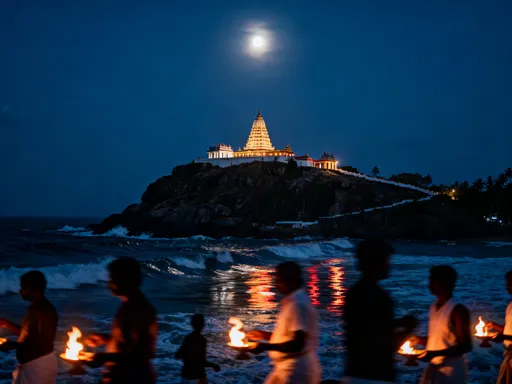
In Thai culture, temples are far more than places of prayer—they are centers of community life, education, and celebration. On Samui, temple grounds function as vital public spaces where people gather not only for spiritual practice but for social connection. Wat Phra Yai, home to the iconic Big Buddha, is one of the most visited, yet it remains deeply embedded in local routines. Each morning, residents bring offerings of flowers, incense, and food to lay at the shrines. Monks walk the grounds in saffron robes, accepting alms in a quiet, daily ritual that has endured for generations.
But the temple’s role extends beyond morning ceremonies. On weekends and holidays, families visit for blessings, children play in shaded courtyards, and elders sit together in quiet conversation. The open layout of the compound—with wide stone paths, shaded pavilions, and reflective pools—invites lingering and interaction. Vendors outside sell lotus blossoms, candles, and bottled water, contributing to a gentle economy centered around reverence and tradition. Unlike tourist attractions that operate on timed entry or ticketing, temples like Wat Phra Yai remain open and accessible, embodying the Thai principle of *sanuk* (joyful ease) in shared spaces.
For visitors, entering these spaces requires mindfulness. Dressing modestly—covering shoulders and knees—is essential. Speaking in low tones, refraining from pointing feet toward images of the Buddha, and avoiding physical contact with monks are all part of respectful conduct. Photography is generally permitted, but it’s courteous to ask before taking pictures of individuals, especially during prayer. By observing these guidelines, travelers honor the sacred and social significance of the site. More than sightseeing, a temple visit becomes an act of cultural participation, offering insight into values of humility, gratitude, and community that define island life.
Making the Most of Samui’s Shared Spaces: A Practical Guide
To truly experience Samui’s public spaces, planning and sensitivity go hand in hand. Timing is one of the most important factors. Early mornings, between 6:00 and 9:00 a.m., are ideal for visiting markets, temples, and walkways, when temperatures are cooler and activity is at its most authentic. Late afternoons, around 4:00 to 6:00 p.m., offer golden light and a resurgence of community life, especially in parks and seaside areas. Avoiding midday hours not only increases comfort but also reduces disruption to daily routines.
Transportation choices also shape the experience. Renting a scooter provides flexibility and access to off-the-beaten-path locations, but it requires caution on narrow or uneven roads. Songthaews—shared pickup trucks with bench seating—are a budget-friendly and eco-conscious option for traveling between towns. They follow fixed routes and are widely used by locals, offering a chance to observe daily rhythms from within. For shorter distances, walking is often the best choice, allowing travelers to notice details they might otherwise miss: a blooming frangipani tree, a group of children playing hopscotch, or the scent of jasmine rice wafting from a roadside pot.
Engaging politely with the environment enhances both respect and connection. Learning a few basic Thai phrases—such as "Sawasdee" (hello), "Khop khun" (thank you), and "Nai" (yes)—goes a long way in building goodwill. When taking photos, always ask permission before photographing people, especially in religious or private settings. Supporting local vendors by purchasing snacks, drinks, or handmade items directly contributes to the community economy. Carrying a reusable water bottle and avoiding single-use plastics aligns with growing sustainability efforts on the island. Ultimately, the goal is not just to see Samui, but to move through it with awareness, kindness, and curiosity.
Conclusion: Seeing Samui Through Its Public Life
Koh Samui is often celebrated for its turquoise waters and luxury resorts, but its true character lies in the spaces between. The markets where laughter rings out at dawn, the promenades where families walk hand in hand at dusk, the temple grounds where silence speaks volumes—these are the places that reveal the island’s soul. By stepping into public spaces with respect and openness, travelers gain more than memories; they gain understanding. They witness how culture is lived, not performed, and how community thrives in shared moments.
As tourism continues to shape the island, the preservation of these spaces becomes ever more important. They are not just amenities, but foundations of local well-being and cultural continuity. For visitors, choosing to explore beyond the resort gates is an act of mindful travel—one that honors the people who call Samui home. It is in these everyday environments that the most authentic connections are made, where a simple smile or shared meal can bridge worlds.
So the next time you visit, let go of the itinerary for a moment. Walk into a morning market, sit on a park bench, or pause at a temple gate. Let the island breathe around you. In doing so, you won’t just see Samui—you’ll feel it. And that, perhaps, is the most beautiful journey of all.