You Won’t Believe What Madrid’s Streets Can Do to Your Soul
Madrid isn’t just a city—it’s a rhythm, a pulse, a living thing that pulls you in with every step. I didn’t just visit; I felt it. From the golden light of Retiro Park at dawn to the electric buzz of tapas bars past midnight, Madrid thrives on experience. This is travel at its most vivid—where art, food, and culture aren’t seen, but lived. If you’re chasing moments that stick with you long after you leave, Madrid delivers, deeply and authentically. It doesn’t shout; it whispers in the clink of wine glasses, the rustle of pages in a sunlit bookstore, the sudden burst of guitar music from a hidden courtyard. Here, the journey isn’t measured in miles, but in moments that quietly reshape your soul.
The Heartbeat of Madrid: Why Experience Matters More Than Sightseeing
In an age where travel often means ticking off landmarks from a list, Madrid invites a different kind of engagement—one rooted not in observation, but in participation. The city operates on a philosophy known as *vida social*, a cultural rhythm where life unfolds in the open: in plazas, on benches, over shared plates and poured drinks. This isn’t tourism as performance; it’s tourism as immersion. While other cities might dazzle with grand monuments, Madrid wins hearts through its everyday magic—the elderly couple sharing a morning coffee at a corner bar, the children chasing pigeons in Plaza Mayor, the spontaneous laughter echoing through cobbled alleys after dark.
What makes this approach transformative is its authenticity. When travelers move beyond guided tours and museum hours, they begin to sync with the city’s true tempo. A morning stroll through La Latina isn’t just a walk—it’s an encounter with local bakers pulling fresh bread from wood-fired ovens, with flower vendors arranging bouquets under wrought-iron balconies, with shopkeepers greeting neighbors by name. These moments, seemingly small, accumulate into a deeper understanding of place. Unlike the fleeting satisfaction of a photo op, such experiences linger, forming emotional imprints that outlast any souvenir.
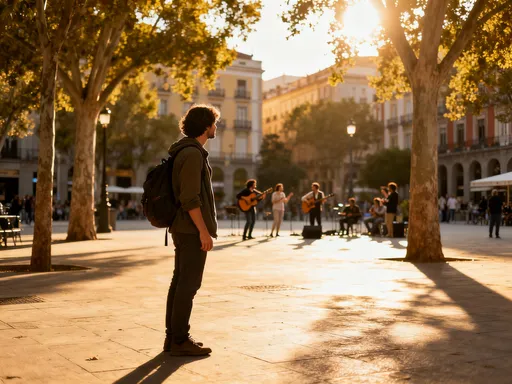
The shift from sightseeing to living also aligns with growing research on experiential travel. Studies suggest that immersive, sensory-rich experiences contribute more significantly to long-term happiness than material purchases or passive observation. In Madrid, this principle comes alive naturally. Whether joining locals for a late afternoon *vermouth hour* on a sun-drenched terrace or stumbling upon an impromptu flamenco gathering in a tucked-away plaza, visitors aren’t merely watching culture—they’re part of it. This integration fosters connection, not just to the city, but to oneself, as the pace slows and attention sharpens.
To embrace this rhythm, travelers need not abandon structure entirely. Instead, they can design their days around moments of presence. Rather than rushing between the Prado, Retiro, and Royal Palace in a single day, consider lingering in one neighborhood, allowing time for unplanned detours. Sit at a café for more than just a coffee—stay long enough to notice patterns, to overhear conversations, to feel the neighborhood breathe. Madrid rewards patience. It rewards curiosity. And above all, it rewards those who come not to consume, but to connect.
Morning Magic: Starting the Day Like a Madrileño
There is a quiet poetry to Madrid’s mornings—a hush that settles before the city fully wakes, when light filters gently through plane trees and the scent of freshly baked pastries drifts from open bakery doors. To start your day like a true Madrileño is to honor slowness, to resist the urge to rush, and to savor the ritual of beginning. While many tourists sleep in or grab a hurried breakfast before sightseeing, locals understand that the early hours hold a special kind of clarity, a moment of calm before the vibrant chaos of the afternoon and night.
The cornerstone of a Madrid morning is the café con leche, served in a large white cup with a glass of water on the side. This isn’t just coffee—it’s a ceremony. Best enjoyed at a neighborhood bar with marble countertops and wooden stools, it’s often paired with a *tostada*—grilled bread topped with tomato, olive oil, and a pinch of salt—or a warm churro dipped in thick, dark chocolate. Markets like Mercado de San Miguel or Mercado de la Cebada offer some of the most authentic experiences, where the air hums with energy and vendors call out greetings as regulars place their orders.
One of the most peaceful ways to begin is with a walk through Parque del Retiro before 8 a.m. As golden light spills across the tree-lined avenues, joggers pass quietly, elderly men play chess by the lake, and couples stroll hand in hand. The park feels intimate, almost private, a world apart from the crowds that will arrive later. Bring a book, find a bench, and let the morning unfold. Alternatively, wander through the historic district of Malasaña, where independent cafés spill onto the sidewalks and the scent of roasted beans mingles with blooming jasmine.
For those seeking a deeper connection, consider joining a local morning routine. Some guided walking tours focus specifically on breakfast culture, taking small groups to family-run establishments off the beaten path. These experiences often include conversation with owners, insights into ingredients, and even opportunities to try making churros or preparing traditional spreads. The key is to resist the tourist habit of rushing. Allow yourself to linger. Order a second coffee. Smile at the server. Let the rhythm of the city seep into your bones. When you move through Madrid like this—slowly, attentively, respectfully—you stop being a visitor. You begin to belong.
Art Beyond the Frame: Living Culture at Museo del Prado and Reina Sofía
Madrid’s art museums are not just repositories of masterpieces—they are living spaces where history, emotion, and human expression converge. The Museo del Prado and the Museo Nacional Centro de Arte Reina Sofía stand as twin pillars of Spain’s artistic legacy, offering experiences that transcend passive viewing. For the thoughtful traveler, these institutions provide not only aesthetic pleasure but also profound emotional resonance, especially when approached with curiosity and context.
The Prado, housed in a neoclassical building designed by Juan de Villanueva, is home to one of the world’s finest collections of European art. While names like Velázquez, Goya, and El Greco dominate the galleries, the true power of the museum lies in its storytelling. A guided tour—particularly one led by a passionate local docent—can transform a painting from a static image into a vivid narrative. Standing before Velázquez’s *Las Meninas*, for example, becomes more than an art lesson; it becomes a meditation on perspective, power, and illusion. The painting’s layered composition, the gaze of the Infanta, the presence of the artist himself—all invite questions about who is watching whom, and what it means to be seen.
To avoid feeling overwhelmed, visitors should plan strategically. The Prado is vast, with over 8,000 works on display, but focusing on just a few key pieces can yield a richer experience. Many locals recommend visiting on a Sunday morning, when entry is free for residents and the atmosphere is more relaxed. Alternatively, weekday afternoons tend to be quieter for non-residents. Audio guides and thematic tours—such as “Women in the Prado” or “Myths and Legends in Spanish Art”—help structure the visit without sacrificing spontaneity.
In contrast, the Reina Sofía pulses with modern energy. Located in a former hospital building, the museum houses Spain’s most important collection of 20th-century art, with Pablo Picasso’s *Guernica* as its emotional centerpiece. Unlike the hushed reverence often found in classical museums, the Reina Sofía encourages reaction. Visitors are not expected to remain silent; they are meant to feel. *Guernica*, a monumental anti-war painting created in response to the bombing of a Basque town during the Spanish Civil War, evokes grief, outrage, and resilience. Its fragmented forms and monochromatic palette challenge the viewer to confront suffering and resistance simultaneously.
What makes the Reina Sofía especially accessible is its emphasis on interpretation. Interactive displays, multilingual panels, and rotating exhibitions ensure that art remains relevant and engaging. Families, students, and solo travelers alike can find meaning in works by Dalí, Miró, and later Spanish avant-garde artists. Like the Prado, the museum offers free entry during certain hours, making culture available to all. Together, these institutions reflect Madrid’s belief that art should not be locked behind glass—it should stir the soul, provoke thought, and inspire conversation.
The Tapas Trail: A Culinary Journey Through Neighborhood Flavors
Food in Madrid is not a side note to travel—it is the main event. The city’s tapas culture is more than a dining trend; it’s a social institution, a way of connecting, sharing, and celebrating life in small, delicious increments. A tapas crawl through Madrid’s diverse neighborhoods offers not only culinary delight but also a map of the city’s soul, revealing its history, diversity, and daily rhythms one bite at a time.
The journey might begin in Malasaña, a bohemian district known for its creative energy and independent spirit. Here, tapas bars blend tradition with innovation. At a corner tavern, you might find classic *croquetas de jamón*—creamy, golden-fried balls of ham and béchamel—served alongside experimental bites like goat cheese with quince paste or grilled octopus with smoked paprika. The atmosphere is casual, often noisy, with young locals sipping craft beer and vermouth from large clay cups called *cañas*.
Move east to Barrio de Salamanca, Madrid’s more upscale neighborhood, and the tone shifts. Elegant *mesones* and wine bars offer refined versions of Spanish classics. This is where you’ll find perfectly sliced *jamón ibérico*, served at room temperature on wooden boards with crusty bread and a drizzle of olive oil. Pair it with a glass of crianza Rioja or a crisp Albariño from Galicia. Service is attentive, tables are well-spaced, and the pace is slower—ideal for savoring each flavor.
Then there’s Lavapiés, one of Madrid’s most multicultural districts, where the tapas trail becomes a global tasting menu. Moroccan, Ethiopian, and Latin American influences blend with Spanish traditions, creating a culinary mosaic. A single block might offer *pimientos de padrón*—small green peppers fried and sprinkled with sea salt—next to a tapas bar serving empanadas or tagines. This neighborhood embodies Madrid’s evolving identity: rooted in tradition, yet open to the world.
To navigate the tapas scene like a local, follow a few simple rules. First, pace yourself. Tapas are meant to be shared, not consumed in rapid succession. Second, don’t be afraid to stand at the bar—many of the best spots have limited seating, and standing is part of the experience. Third, pair your food wisely: beer or vermouth for fried items, white wine for seafood, red wine for meats. Finally, embrace the *tapeo* rhythm—move from one bar to another, having one or two small plates at each, letting the evening unfold naturally. In doing so, you’re not just eating. You’re participating in a centuries-old ritual of connection.
Rhythm of the City: Flamenco, Music, and Nightlife That Feels Real
Madrid’s nightlife is not about loud clubs or flashy bars—it’s about presence, participation, and the spontaneous joy of shared moments. While the city offers plenty of entertainment options, the most memorable experiences often happen in intimate, unassuming spaces where music flows as naturally as conversation. This is especially true of flamenco, a deeply emotional art form that, when experienced authentically, can leave a lasting imprint on the heart.
For travelers seeking real flamenco, the key is to avoid large tourist venues with staged shows. Instead, seek out *peñas flamencas*—small, member-run clubs where artists perform for passion, not profit. Places like Cardamomo or La Taberna de Manuel offer nightly sessions where guitarists, singers, and dancers feed off each other’s energy. There’s no barrier between performer and audience; you can feel the vibration of the guitar strings, see the sweat on the dancer’s brow, hear the raw emotion in the singer’s voice. These moments are not polished—they are alive.
Outside of flamenco, Madrid’s musical landscape is equally rich. In summer, the city transforms with open-air concerts in parks like Parque del Oeste and Parque El Retiro. Organized by the local government, these events feature everything from jazz trios to classical ensembles, all free to the public. Families spread blankets on the grass, couples share picnics, and strangers nod along to the same melody. The atmosphere is inclusive, relaxed, and deeply Spanish—proof that culture doesn’t need a ticket to be valuable.
Rooftop terraces also play a central role in Madrid’s evening rhythm. Many hotels and bars open their rooftops to the public, offering panoramic views of the city skyline. Sipping a gin and tonic—Spain’s preferred cocktail—while watching the sun dip behind the Almudena Cathedral is a ritual in itself. The drink, served in a large balloon glass with premium tonic, botanicals, and citrus, is as much about presentation as taste. It sets the tone for a night of ease and elegance.
For safety and comfort, it’s wise to plan evening outings with practicality in mind. Madrid’s public transportation system, including buses and the metro, runs late, with many lines operating until 1:30 a.m. or later. Taxis and ride-sharing services are widely available and affordable. Staying in well-lit, central areas ensures both convenience and peace of mind. But beyond logistics, the real secret to enjoying Madrid’s nights is attitude: come not to party, but to be present. Let the music find you. Let the conversation flow. Let the city carry you.
Hidden in Plain Sight: Offbeat Experiences That Reveal True Madrid
Beyond the postcard sights and crowded plazas, Madrid reveals its true character in quieter, less celebrated spaces—places where daily life unfolds without performance or pretense. These offbeat experiences offer a different kind of richness, one built on discovery, intimacy, and connection. They remind us that the most meaningful travel moments often happen when we stray from the map.
One such gem is the Circulo de Bellas Artes, a cultural center housed in an early 20th-century building with a rooftop terrace offering one of the best views of the city. Inside, you’ll find not only art exhibitions but also a café-library where locals read, write, and sip tea in peaceful silence. The space feels like a sanctuary, a place to pause and reflect. Similarly, El Ateneo Grand Café, a bookstore that doubles as a café, preserves the elegance of a bygone era with red velvet seating, gilded ceilings, and shelves lined with Spanish literature. Sitting here with a book and a coffee, you’re not just browsing—you’re part of a living literary tradition.
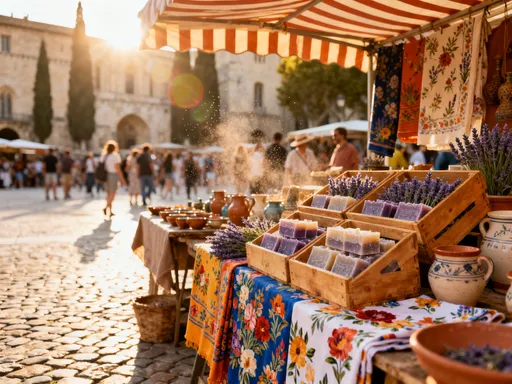
Markets like Mercado de la Cebada in Lavapiés offer another window into authentic Madrid. Unlike the polished San Miguel, this market is run largely by residents and small vendors. You’ll find fresh produce, handmade cheeses, and family recipes passed down for generations. It’s less about aesthetics and more about community. Locals come not to take photos, but to shop, to chat, to live. Engaging here requires respect—speak softly, observe before acting, and when in doubt, follow the lead of those around you.
For nature lovers, thebanks of the Manzanares River provide a surprising escape. Once neglected, the area has been transformed into a green corridor with walking and cycling paths, picnic areas, and small performance spaces. The nearby Madrid Río park offers playgrounds, fountains, and quiet groves—ideal for families or anyone seeking calm. An urban hike along this route reveals a different side of the city, one that balances progress with preservation.
These experiences share a common thread: they are not designed for tourists. They exist for locals. And yet, when approached with humility and curiosity, they welcome visitors. They don’t require tickets or reservations—just presence, openness, and a willingness to slow down. In doing so, you’re not just seeing Madrid. You’re feeling it.
Leaving Changed: How Madrid Stays With You
Travel has the power to transform, but not all destinations leave the same mark. Madrid doesn’t impress with scale or spectacle. It moves quietly, through moments so subtle they might go unnoticed: the warmth of a stranger’s smile, the taste of olive oil on fresh bread, the sound of guitar music drifting through an open window at dusk. These are not grand events, but they are the ones that stay—etched into memory, shaping perspective long after the journey ends.
What Madrid teaches, above all, is the value of presence. In a world that glorifies speed and productivity, the city whispers a different truth: that joy lives in slowness, in connection, in the shared rituals of daily life. It reminds us that we don’t need to chase extraordinary experiences to feel alive. Sometimes, all it takes is a coffee at a corner bar, a walk through a sunlit park, a conversation with someone who speaks a different language but smiles the same way.
Many who visit find themselves returning home with a quieter mind, a softer heart, a renewed appreciation for the simple things. They cook Spanish dishes with care, play flamenco music in the background, or pause to watch the light change in the afternoon. These habits are not imitation—they are integration. Madrid becomes part of them, not as a memory, but as a mindset.
And so, the invitation is clear: travel not just to see, but to feel. Seek not just destinations, but moments that resonate. Let yourself be pulled into the rhythm of a place, to walk its streets not as a guest, but as a participant. Madrid does not give up its secrets to those who rush. It reveals itself slowly, generously, to those who are willing to listen. In doing so, it doesn’t just show you a city. It shows you a way of living—one filled with warmth, authenticity, and soul.