You Won’t Believe These Hidden Gems Along South Africa’s Garden Route
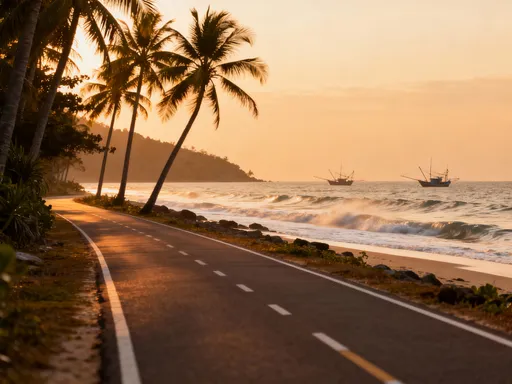
The Garden Route in South Africa is famous for its scenic beauty, but beyond the postcard views lies a world of unforgettable experiences most travelers miss. I discovered secret trails, local encounters, and quiet moments that transformed my journey. This isn’t just a drive—it’s a sensory adventure. If you’re seeking authenticity over crowds, let me show you the side of the Garden Route few ever see. With towering forests, misty mountains, and hidden coastal paths, this stretch of coastline offers more than picturesque panoramas. It invites connection—with nature, with communities, and with oneself. For women in their 30s to 50s who value meaningful travel, personal renewal, and safe, enriching experiences, the true magic of the Garden Route lies just off the beaten path.
Uncovering the Real Garden Route
The Garden Route stretches approximately 300 kilometers along South Africa’s southern coast, from Mossel Bay in the west to Storms River in the east. Known for its lush indigenous forests, sparkling lagoons, and dramatic cliff-lined shores, it draws thousands of visitors each year. Most follow the well-trodden N2 highway, stopping at iconic spots like Knysna Heads, the Featherbed Nature Reserve, and the Cango Caves. While these attractions are undeniably beautiful, they often come with crowds, commercialization, and a sense of detachment from the region’s deeper spirit. The true essence of the Garden Route reveals itself not in guidebook highlights, but in quiet moments—a conversation with a local farmer, the sound of reeds rustling in a hidden wetland, or the scent of fynbos after a morning rain.
What many travelers overlook is that the Garden Route is not just a scenic drive; it is a living, breathing landscape shaped by centuries of ecological balance and cultural exchange. The region is home to Khoi and San heritage, Afrikaans farming communities, and a growing movement toward sustainable tourism. By venturing beyond the main stops, visitors gain access to a more authentic, slower-paced experience. This shift from observation to participation transforms a holiday into a journey of personal significance. For women who value connection—whether with family, friends, or themselves—this deeper engagement offers a rare opportunity for reflection and rejuvenation.
Seeking off-the-beaten-path experiences is not about rejecting popular destinations, but about enriching them. A balanced trip might include a visit to Knysna’s waterfront for lunch, followed by an afternoon exploring a nearby forest trail known only to locals. The goal is meaningful activity over passive sightseeing—moments that invite presence, curiosity, and gratitude. When travel becomes intentional, it ceases to be mere escape and instead becomes a source of lasting inspiration. The Garden Route, when explored with openness, offers not just beauty, but transformation.
Hidden Hiking Trails with Breathtaking Rewards
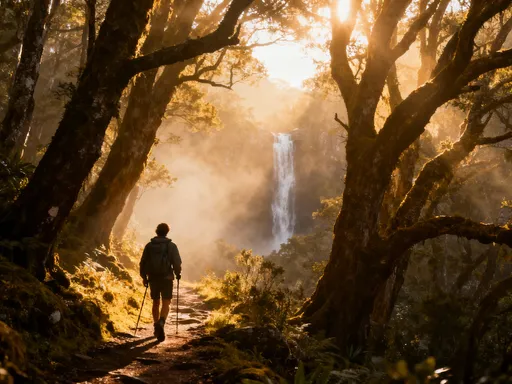
While many visitors stick to well-marked boardwalks and popular viewpoints, the Garden Route harbors a network of lesser-known hiking trails that offer solitude, natural beauty, and a profound sense of discovery. One such gem is the Kaaimans Gorge Path, a moderate 4.5-kilometer loop near Wilderness that winds through indigenous forest, crosses wooden bridges over a clear river, and climbs gently to a viewpoint overlooking the gorge. Unlike the busier routes, this trail sees few visitors, allowing hikers to fully absorb the sounds of birdsong, the cool shade of yellowwood and stinkwood trees, and the occasional glimpse of a dassie sunning itself on a rock.
Another rewarding but often overlooked trail is the Salt River Pass, located in the western section of the route near George. This 6-kilometer out-and-back path follows an old ox-wagon route through the Outeniqua Mountains. The ascent is gradual, passing through fynbos-covered slopes and offering panoramic views of the coastal plain below. On clear days, the Indian Ocean shimmers in the distance. What makes this trail special is its historical resonance—hikers walk in the footsteps of 19th-century travelers, connecting with the region’s past in a tangible way. The path is well-maintained but rarely crowded, making it ideal for those seeking a peaceful, reflective walk in nature.
For those willing to explore further east, the Groenvlei Trail near Sedgefield offers a different kind of experience. This flat, 5-kilometer loop circles a freshwater lake surrounded by reeds and acacia trees. It’s particularly popular with birdwatchers, who may spot kingfishers, herons, and even the rare African fish eagle. The trail is family-friendly and accessible, yet remains off most tourist itineraries. Early morning walks here are especially magical, when mist rises from the water and the air is filled with the soft calls of waterfowl.
When hiking these lesser-known paths, preparation is key. Early mornings are ideal, both for cooler temperatures and greater wildlife activity. Sturdy walking shoes with good grip are essential, especially on rocky or damp sections. Carrying water, sunscreen, and a light snack ensures comfort, while a small backpack can hold a camera or journal for capturing memories. Most importantly, hikers should respect trail etiquette—staying on marked paths, avoiding littering, and keeping noise levels low to preserve the natural tranquility. These trails are not just physical journeys; they are invitations to slow down, breathe deeply, and reconnect with the rhythms of the earth.
Connecting with Local Communities Through Cultural Experiences
Beyond its natural beauty, the Garden Route is enriched by the communities that call it home. Small towns like Avontuur, Haenertsburg, and Herolds Bay offer opportunities for authentic cultural exchange, far removed from the commercialized experiences found in larger tourist hubs. These villages, nestled in the foothills and coastal inlets, are places where life unfolds at a gentler pace. Residents often welcome visitors with warmth and curiosity, especially when approached with respect and genuine interest.
In Avontuur, a quiet farming community in the Langkloof Valley, travelers can arrange visits to citrus orchards and dairy farms. Some families open their homes for farm-to-table lunches, serving dishes made from ingredients harvested that morning—fresh bread, homemade yogurt, and seasonal fruit preserves. These meals are more than just nourishment; they are windows into local life, offering stories of land stewardship, family traditions, and seasonal rhythms. For women who value home, family, and wholesome living, these interactions can be deeply moving, reminding them of the universal joys of shared meals and simple pleasures.
Another meaningful experience is participating in a craft workshop led by local artisans. In towns like Knysna and Plettenberg Bay, women’s cooperatives create handwoven baskets, beaded jewelry, and clay pottery using traditional techniques. Visitors can spend an afternoon learning these skills, guided by women who have practiced their craft for decades. These sessions are not performances for tourists; they are acts of cultural preservation and economic empowerment. By supporting these initiatives, travelers contribute directly to community well-being while gaining a tangible connection to the region’s heritage.
Respectful engagement is essential. This means asking permission before taking photos, listening more than speaking, and being mindful of cultural norms. It also means choosing experiences that are community-led rather than exploitative. Responsible tourism ensures that interactions are mutually beneficial, fostering dignity and trust. When travelers approach these encounters with humility and openness, they often leave with more than souvenirs—they carry with them stories, friendships, and a renewed sense of connection to the human spirit.
Wildlife Encounters Away from the Crowds
The Garden Route is home to a remarkable diversity of wildlife, yet many visitors miss the chance to observe animals in their natural habitats. While popular reserves like Addo Elephant Park lie slightly beyond the route, smaller, lesser-known conservation areas offer equally rewarding experiences without the crowds. Near Nature’s Valley, the Salt River Reserve protects a stretch of coastal forest and riverine ecosystem where bushbuck, vervet monkeys, and even the elusive blue duiker can be spotted at dawn or dusk. Guided eco-walks led by local rangers provide a safe and educational way to explore these areas, with an emphasis on quiet observation and minimal disturbance.
Birdwatching is another quiet joy of the region. Hidden wetlands along the Goukamma Nature Reserve and the Swartvlei estuary are home to over 250 bird species. Early risers may see the flash of a malachite kingfisher, the graceful flight of a pied avocet, or the slow circling of a martial eagle overhead. These sites are accessible via boardwalks and viewing platforms, but few tourists venture there, making them ideal for peaceful reflection. Binoculars and a field guide enhance the experience, but even casual observers can appreciate the beauty and variety of the region’s avian life.
For those interested in nocturnal wildlife, some eco-lodges offer guided night walks in protected forest areas. With red-filtered flashlights to preserve night vision, small groups move slowly through the undergrowth, listening for the rustle of a porcupine or the call of a barn owl. These walks are not about guaranteed sightings, but about cultivating awareness—learning to move quietly, to listen deeply, and to appreciate the hidden lives of creatures that thrive in darkness. Such experiences are especially meaningful for women seeking mindfulness and presence in their travels.
Ethical wildlife viewing is paramount. This means maintaining a safe distance, avoiding feeding animals, and never using flash photography. It also means supporting conservation efforts through park fees and responsible tour operators. When tourism is aligned with protection, it becomes a force for good—funding habitat restoration, anti-poaching patrols, and environmental education. The Garden Route’s wildlife is not a spectacle to be consumed, but a delicate balance to be respected. By choosing low-impact, educational experiences, travelers help ensure that these creatures continue to thrive for generations to come.
Adventure with Purpose: Kayaking and Forest Foraging
For those seeking gentle adventure with a deeper purpose, kayaking and forest foraging offer unique ways to engage with the Garden Route’s natural abundance. Paddling through the calm waters of the Kaaimans River or the Goukamma Lagoon provides a peaceful perspective on the landscape. From the water, the shoreline reveals hidden coves, waterfowl nesting in reeds, and the occasional otter slipping into the current. Kayak tours are typically led by local guides who share knowledge of the ecosystem, pointing out mangrove roots, tidal patterns, and the role of estuaries in supporting marine life.
These excursions are suitable for all skill levels, with tandem kayaks available for added stability. Morning tours are recommended, when winds are light and the water is glassy. The rhythm of paddling becomes meditative, allowing space for conversation, silence, or simply soaking in the surroundings. For women traveling with daughters, friends, or partners, kayaking offers a shared activity that is both active and calming—a rare balance in modern life.
Equally enriching is the growing practice of sustainable forest foraging, led by indigenous knowledge holders and conservationists. These guided walks take participants through fynbos and forest areas to learn about edible and medicinal plants. Visitors may taste sour figs, smell the aromatic leaves of wild rosemary, or learn how buchu has been used for centuries to support digestion. The emphasis is on education and respect—participants are taught to harvest only what is abundant, to leave no trace, and to understand the plant’s role in the ecosystem.
Foraging is not about gathering large quantities, but about deepening one’s relationship with nature. It reconnects people with ancient wisdom, reminding them that food does not come from supermarkets, but from the earth. These tours often conclude with a shared meal or tea, using the harvested ingredients. The experience is both grounding and empowering, especially for women who value self-reliance, health, and sustainability. By participating in such activities, travelers do more than enjoy a novel experience—they contribute to the preservation of ecological knowledge and support local livelihoods.
Scenic Drives with a Difference: Routes Most Tourists Miss
While the N2 highway efficiently connects major towns, it bypasses some of the Garden Route’s most enchanting landscapes. For travelers willing to slow down, alternative routes offer a richer, more immersive journey. The R339, running from George to Oudtshoorn, cuts through the foothills of the Outeniqua Mountains, passing through misty forests, working farms, and quiet villages. Unlike the N2, this road has no billboards or fast-food chains—just open vistas, grazing sheep, and the occasional farm stall selling fresh eggs, jams, and rooibos tea.
Another rewarding detour is Cradock Pass, a historic mountain route that links the coastal plain with the semi-arid interior. Though narrow and winding, the road is well-maintained and safe for standard vehicles. The ascent is gradual, revealing panoramic views of folded mountains and deep valleys. In spring, the slopes bloom with wildflowers, and in winter, morning fog drapes the peaks like lace. Stopping points along the way invite short walks, photography, or simply quiet contemplation. These moments of pause are where travel becomes transformative.
Gravel roads branching off the main routes also lead to hidden treasures. A drive through the Groenrivier Valley, for example, brings travelers to secluded picnic spots beside clear streams and ancient rock formations. These roads require a bit more caution—drivers should check weather conditions and ensure their vehicle is suitable—but the rewards are solitude and unspoiled beauty. Navigation is easier with a GPS or offline map, but part of the charm lies in getting slightly lost and discovering something unexpected.
Slow travel is not about covering distance, but about savoring it. It means allowing time for a conversation with a roadside vendor, stopping to watch a sunset over the lagoon, or lingering over coffee in a small-town café. For women who often juggle multiple roles at home and work, this pace is a gift. It restores balance, reduces stress, and renews a sense of wonder. The Garden Route, when explored off the main road, becomes not just a destination, but a sanctuary.
Planning Your Own Unforgettable Journey
Creating a meaningful Garden Route experience begins with intention. Rather than trying to see everything, focus on a few well-chosen activities that align with your interests—whether hiking, cultural exchange, or quiet reflection. A balanced 5-day itinerary might include a morning kayak tour on the Knysna Lagoon, an afternoon visit to a local craft market, and an evening meal at a family-run restaurant featuring regional specialties like line fish, wild mushroom risotto, or malva pudding.
Start in Wilderness, a peaceful town ideal for first-day acclimation. Explore the beaches, take a short forest walk, and enjoy dinner at a cozy waterfront eatery. On day two, drive the R339 to Herold’s Bay, stopping at farm stalls and hiking the Groenvlei Trail. Spend night two in Sedgefield, where guesthouses offer comfort and quiet. Day three could include a guided foraging walk and a visit to a women’s craft cooperative. On day four, head east toward Nature’s Valley, pausing at the Salt River Pass for a hike. End the day with a sunset picnic near the Storms River Mouth. The final day might include a gentle canoe trip on the Goukamma River before returning west.
Packing should prioritize comfort and versatility. Layers are essential—mornings can be cool, afternoons warm, and evenings crisp. Bring a waterproof jacket, sturdy shoes, a wide-brimmed hat, and a reusable water bottle. A small daypack is useful for hikes and outings. When booking tours, choose operators with strong environmental and community commitments. Many local guides offer personalized experiences, adjusting pace and content to suit their guests.
The most important preparation, however, is mental. Approach the journey with curiosity, openness, and a willingness to embrace the unexpected. Let go of rigid schedules and allow space for spontaneity—a chance invitation to tea, a sudden rainbow over the hills, a conversation that stretches into the evening. These unplanned moments often become the most cherished. For women seeking renewal, connection, and beauty, the Garden Route offers not just scenery, but soul.
Conclusion
The Garden Route offers more than scenic overlooks—it invites deep, personal connection. By stepping off the main roads and embracing quiet moments, meaningful encounters, and nature’s rhythms, travelers unlock a richer experience. This journey isn’t about ticking boxes; it’s about transformation. Let your next adventure be one not just seen, but truly felt. Whether you’re paddling through a misty lagoon, sharing a meal with a local family, or walking a forest path in silence, you are not just visiting a place—you are becoming part of its story. For women who seek travel that nourishes the heart as much as the eyes, the hidden gems of the Garden Route await. Let curiosity be your compass, and let each step bring you closer to what matters most.