You Won’t Believe What I Found Hiking in San Miguel’s Hidden Wild
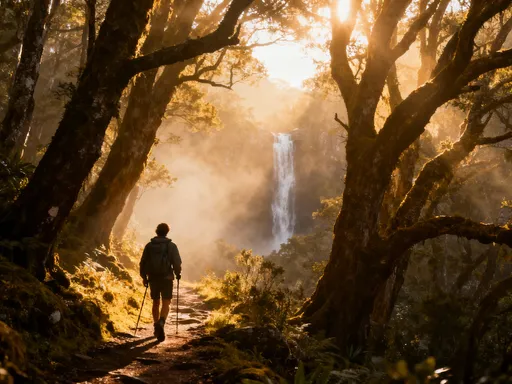
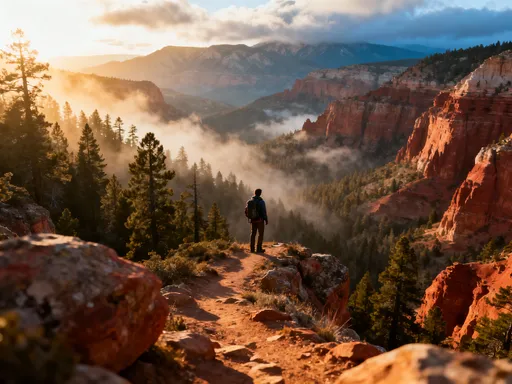
Tucked in the highlands of central Mexico, San Miguel de Allende is more than colonial charm and cobblestone streets—it’s a gateway to wild, protected nature. I laced up my boots to explore its hidden ecological reserves on foot, and what I discovered blew my expectations away. From misty pine forests to silent desert trails, these protected lands offer an intimate connection with untouched landscapes. This isn’t just a walk—it’s a journey into the soul of Mexico’s natural heritage.
The Unexpected Wild Side of a Colonial Gem
San Miguel de Allende is globally celebrated for its vibrant art galleries, colonial-era churches, and colorful festivals. Yet, beyond the postcard-perfect plazas and sun-drenched courtyards lies a quieter, wilder truth: the city is surrounded by ecologically significant landscapes that have been preserved through decades of community-driven conservation. Nestled at an elevation of over 6,400 feet, San Miguel sits at the convergence of two distinct biomes—the dry Bajío plateau and the more humid Trans-Mexican Volcanic Belt. This rare geographical overlap creates a rich mosaic of plant and animal life, making the region one of Mexico’s lesser-known biodiversity hotspots.
Protected areas like El Charco del Ingenio and the broader ecological corridors extending into the surrounding hills were established not for tourism, but to safeguard vital watersheds and native species. These zones act as natural sponges, capturing rainfall and replenishing underground aquifers that supply the city and nearby communities. Over time, their purpose has expanded to include environmental education and low-impact recreation. Today, they serve as living classrooms and sanctuaries for those seeking a deeper relationship with nature. Hikers who venture beyond the city limits often find themselves immersed in a world where silence prevails, and the rhythm of nature sets the pace.
What makes San Miguel exceptional is how seamlessly cultural preservation and environmental stewardship coexist. The same care taken to restore historic buildings is mirrored in the meticulous maintenance of native plant nurseries and reforestation efforts. Trails are designed to minimize disruption to wildlife, and signage often includes both scientific and indigenous names for plants, honoring ancestral knowledge. This integration of heritage and ecology transforms the region into a model for sustainable travel—where visitors don’t just observe beauty, but participate in its protection.
Why Hiking in Protected Areas Matters
Hiking in designated conservation zones offers far more than scenic views and physical exercise—it plays a crucial role in sustaining fragile ecosystems. When travelers choose to explore protected lands, they support conservation models that rely on public engagement and eco-conscious tourism. Many of these reserves operate without government funding, depending instead on visitor donations, volunteer programs, and partnerships with local nonprofits. Every hiker who pays a modest entrance fee or contributes to a trail cleanup effort helps fund ongoing preservation work, from invasive species removal to habitat restoration.
Moreover, hiking fosters a profound shift in perspective. Unlike fast-paced sightseeing, walking through a protected area encourages mindfulness and observation. As you move slowly through a thorny scrub forest or along a rocky ridge, you begin to notice subtle details: the way ocotillo plants bloom only after rainfall, how lizards dart between crevices to escape the midday heat, or how the wind carries the faint scent of wild sage. These small moments cultivate a deeper appreciation for the interconnectedness of life. Instead of viewing nature as a backdrop, hikers come to see it as a dynamic, delicate system that deserves respect and protection.
There is also a broader environmental impact. As urban development pressures increase across central Mexico, conserved lands act as critical green buffers. They prevent soil erosion, maintain air and water quality, and provide refuge for species threatened by habitat loss. By choosing to hike in these areas, travelers send a powerful message: that wild spaces have intrinsic value and are worth protecting. In this way, every footstep becomes an act of advocacy for nature, reinforcing the idea that conservation and community well-being go hand in hand.
El Charco del Ingenio: A Sanctuary Steps from Downtown
One of the most remarkable aspects of San Miguel’s natural offerings is accessibility. El Charco del Ingenio, a 67-acre ecological reserve, lies just a 20-minute walk from the city’s central Parroquia de San Miguel Arcángel. Despite its proximity to urban life, the reserve feels like another world. Established in the 1990s to protect a natural spring and the remains of an 18th-century aqueduct, it has since evolved into one of Mexico’s most successful community-led conservation projects. Managed by a nonprofit foundation, the reserve balances ecological protection with public access, offering visitors a rare opportunity to experience wilderness without leaving the city behind.
The reserve is home to over 600 documented plant species, including dozens of cacti found nowhere else on Earth. Rare varieties like the *Mammillaria herrerae* and the towering *Echinocactus platyacanthus* thrive in the rocky terrain, their spiny forms adapted to the region’s long dry seasons. Interpretive signs along the trails provide information about native flora, many of which have traditional medicinal or ceremonial uses. The presence of the sacred Ceiba tree—a towering giant believed by indigenous communities to connect the underworld, the earth, and the heavens—adds a spiritual dimension to the experience. Visitors often pause beneath its expansive canopy, sensing the deep cultural roots embedded in the landscape.
Trails at El Charco del Ingenio vary in difficulty, making the reserve suitable for families, casual walkers, and serious hikers alike. The main loop takes about two hours to complete, winding through oak-pine forests, crossing small stone bridges, and climbing to vantage points that offer sweeping views of the valley below. Because the reserve limits daily visitor numbers and prohibits commercial development, the atmosphere remains peaceful and unspoiled. There are no souvenir stands, no loud music, no food trucks—just the sound of wind in the trees and the occasional call of a canyon wren. This authenticity is precisely what draws so many back, again and again.
Beyond El Charco: Hidden Trails in the Highlands
While El Charco del Ingenio receives well-deserved attention, the true magic of San Miguel’s wilderness lies in its lesser-known trails. North and west of the city, a network of informal footpaths cuts through ranchlands, former quarries, and abandoned agricultural plots now reclaimed by nature. These routes are not always marked on tourist maps, and many are maintained by local conservation volunteers who prioritize preservation over popularity. As a result, they remain uncrowded, offering solitude and a deeper sense of discovery.
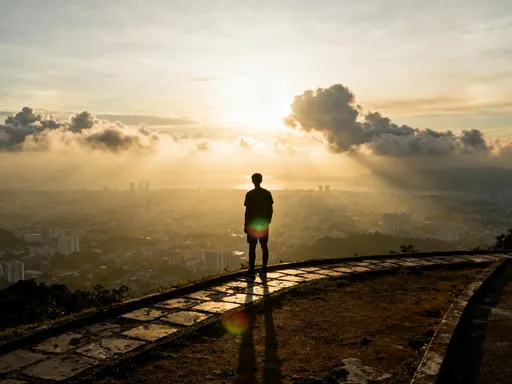
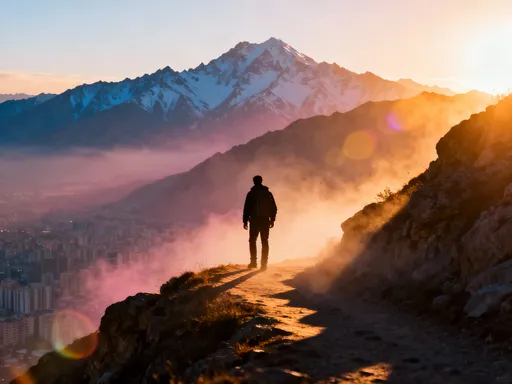
One such trail leads toward the village of Atotonilco, a UNESCO World Heritage site known for its ornate mural-covered church. The hiking route follows an old mule path, passing through arid scrublands dotted with yucca, lechuguilla, and flowering agave. The silence here is profound—broken only by the rustle of grass or the distant chime of church bells carried on the breeze. Other trails ascend to Cerro del Cura, a hilltop with panoramic views of the surrounding sierra. These hikes often pass remnants of colonial-era structures: crumbling stone walls, forgotten cisterns, and the foundations of old haciendas slowly being swallowed by vegetation.
What makes these trails special is their authenticity. Unlike heavily promoted destinations, they have not been altered for mass tourism. There are no guardrails, no interpretive centers, no vending machines. Hikers must be self-reliant, bringing their own water and navigation tools. But for those willing to venture off the beaten path, the rewards are immense: a sense of exploration, a deeper connection to the land, and the quiet joy of discovering something few others have seen. These trails remind us that true wilderness isn’t always remote—it’s often just a short walk from the familiar, waiting to be noticed.
How to Hike Responsibly in Sensitive Zones
Exploring protected areas is a privilege, not a right, and with that privilege comes responsibility. The highland environment around San Miguel is fragile, shaped by centuries of natural processes that can be easily disrupted by human activity. A single footstep off the trail can damage slow-growing cacti or compact soil, leading to erosion. Litter, even biodegradable items like fruit peels, can attract animals and alter natural behaviors. To ensure these spaces remain intact for future generations, hikers must adopt a mindset of stewardship.
Preparation is key. The region’s climate is characterized by cool mornings and intense afternoon sun, so dressing in layers and wearing a wide-brimmed hat is essential. Sunscreen and UV-protective clothing help prevent burns, especially at high elevation. Because most trails lack restrooms or water stations, visitors should carry at least two liters of water, high-energy snacks, and a reusable container for trash. The principle of “pack it in, pack it out” must be followed without exception. Even small items like candy wrappers or tissue paper can take years to decompose and harm wildlife.
Staying on marked trails is one of the most effective ways to minimize impact. These paths are carefully designed to avoid sensitive habitats and protect root systems. Hikers should also respect cultural and spiritual sites—some areas are considered sacred by local communities, and loud noises, drone flights, or the removal of natural objects like stones or plants are deeply disrespectful. By moving quietly and thoughtfully, visitors honor both the land and the people who have cared for it for generations. Responsible hiking isn’t about restriction; it’s about reverence.
What You’ll See: Flora, Fauna, and Geological Wonders
The biodiversity of San Miguel’s protected zones is both surprising and inspiring. Along shaded forest trails, hikers may glimpse white-tailed deer at dawn, their ears twitching at the slightest sound. In open scrublands, the greater roadrunner darts between bushes, a master of survival in arid conditions. Birdwatchers will delight in the variety of species, from iridescent hummingbirds feeding on ocotillo blooms to curve-billed thrashers rummaging through leaf litter. Raptors like red-tailed hawks and American kestrels often circle above canyon rims, scanning for movement below.
The plant life is equally remarkable. Agave fields, some cultivated and others wild, stretch across the hillsides, their tall flower spikes—called quiotes—reaching up to 20 feet in height. These plants bloom only once in their lifetime, after decades of growth, making a flowering agave a rare and awe-inspiring sight. Seasonal wildflowers transform the landscape each year, particularly after summer rains. Poppies, marigolds, and verbena burst into color, creating fleeting carpets of gold, red, and purple. Even the rocks tell a story: basalt formations and volcanic tuff reveal the region’s fiery geological past, while limestone outcrops hint at ancient seabeds.
Every season offers a different experience. Spring brings mild temperatures and blooming cacti. Summer, though hotter, reveals the resilience of desert flora after rain. Fall offers clear skies and golden light, perfect for photography. Winter mornings may be chilly, but the air is crisp and the views unobstructed. No matter when you visit, the land feels alive—constantly changing, yet enduring. This dynamic beauty is a testament to the success of conservation efforts, proving that when nature is given space to thrive, it responds with abundance.
Planning Your Hike: Practical Tips and Local Resources
For the best hiking experience, timing and preparation are crucial. The dry season, from November to May, offers the most favorable conditions: stable weather, low humidity, and minimal trail mud. Mornings are ideal for hiking, as temperatures are cooler and wildlife is more active. Afternoons can become intensely hot, especially on exposed ridges, so starting early allows hikers to finish before the sun reaches its peak.
While some trails can be explored independently, first-time visitors are encouraged to join guided nature walks offered by local organizations. Groups like the San Miguel Green Club and the El Charco del Ingenio Foundation lead bilingual hikes that combine physical activity with environmental education. Guides share insights about native plants, conservation challenges, and the cultural history of the land, enriching the experience far beyond what a map or app can provide. These tours also promote safety, especially on less-marked routes where navigation can be tricky.
Proper gear is essential. Sturdy hiking shoes with good traction prevent slips on rocky or uneven terrain. A backpack with water, snacks, a first-aid kit, and a light jacket ensures preparedness. Sun protection—hat, sunglasses, and sunscreen—should never be overlooked. Because cell service can be spotty in remote areas, it’s wise to inform someone of your planned route and expected return time. Most protected sites do not charge entrance fees, but voluntary donations are welcomed and directly support trail maintenance and conservation programs. A small contribution goes a long way in preserving these irreplaceable spaces.
Conclusion
Hiking in San Miguel’s protected areas is more than recreation—it’s a quiet act of connection. Each step through these conserved landscapes supports environmental stewardship and deepens our relationship with nature. In a world where wild places vanish too quickly, these reserves stand as living proof that beauty and balance are still possible. They remind us that conservation is not just the work of scientists or governments, but of everyday people who choose to walk gently, observe deeply, and care deeply. The trails around San Miguel de Allende invite us to slow down, to listen, to notice. They offer not just escape, but renewal. Step off the beaten path. Walk with care. Discover the wild heart of Mexico.